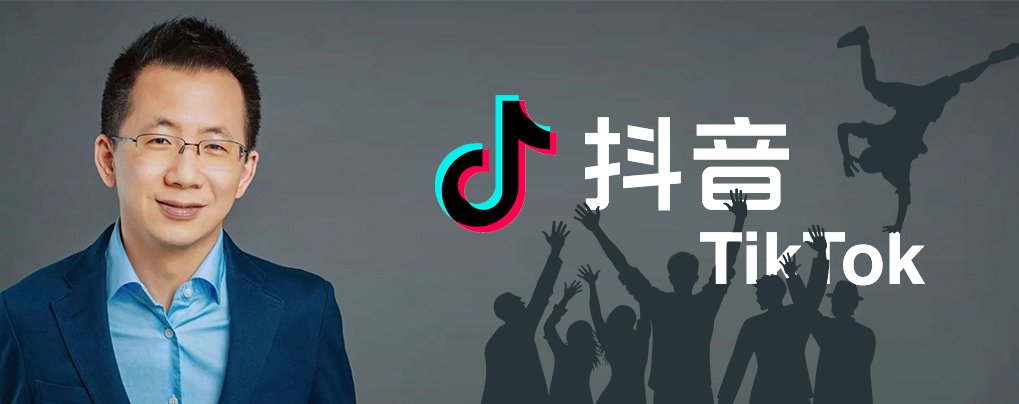
Imagine building a company in your living room that ends up shaping how billions consume news, create content, and even interact with the world. That’s not a Silicon Valley daydream, it’s the true story of Zhang Yiming, the mastermind behind ByteDance, the parent of global sensations like TikTok and Toutiao. Despite commanding one of the largest tech empires on earth, Zhang is about as private and enigmatic as tech CEOs get. But what’s really behind this quiet revolutionary, and how did he manage to outplay giants in the West and East, all while rarely stepping into the spotlight?
Let’s dive into the world of Zhang Yiming, a story of relentless curiosity, risk, algorithms, and the power of quietly doing things differently.
From Fujian’s Coastal Humility to the Gates of Innovation
Born in 1983 in Longyan, Fujian, a region known for being among the first in China to embrace global economic reforms. Zhang Yiming was raised by civil servant parents. The household was practical and modest, instilling in young Zhang a comfort with change and a keen eye for emerging opportunity. From early on, he wasn’t your average kid. Zhang had a spark for technology and a mind wired for math and science, calling himself a “self-taught programmer” even as he formally studied the subject. His name, interestingly, comes from a proverb about “surprising everyone with a first attempt”, an omen that would prove strikingly prophetic.
By 2001, Zhang found himself at Nankai University, where he initially studied microelectronics before pivoting decisively to software engineering. This was no small shift. It showed his uncanny ability to adapt quickly to the tech world’s shifting winds, a trait that would later define his entire career. Here, Zhang would meet two of the most influential people in his life: his future wife (about whom little is public) and Liang Rubo, who would go on to become his business partner and, eventually, his successor.
Earning His Stripes: From Engineer to Entrepreneur
Graduating in 2005, Zhang’s first step into the workforce was at Kuxun, a digital travel startup. He started as an “ordinary engineer” but quickly climbed the ladder, becoming technical director in just two years, leading a team of 40 to 50. But more than the tech, it was the sales and holistic business experience he gained here that stuck with him. He learned early on that great products alone don’t win; you have to understand customers and take charge of the entire business journey.
His brief, disillusioning stint at Microsoft, however, was a blessing in disguise. Zhang found the corporate hierarchy stifling, and it crystallized for him that he needed the freedom and chaos of entrepreneurship. That realization pushed him to try his own luck with 99fang.com, a real estate search engine born from the ashes of Kuxun’s real estate business.
This wasn’t yet a unicorn, but it was Zhang’s “foundational training ground,” where he got his first real taste of user behavior and began experimenting with algorithmic recommendations, tiny steps that would eventually power the AI engines behind ByteDance’s most famous products.

ByteDance Is Born: Small Place, Big Dreams
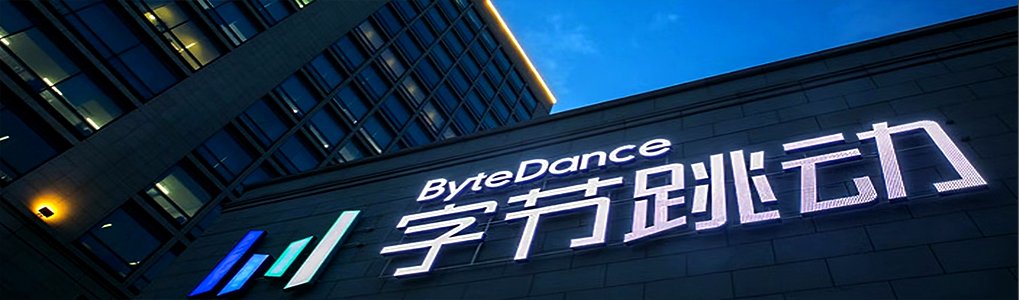
In 2012, Zhang took the ultimate leap. With Liang Rubo by his side, ByteDance was born in a cramped Beijing apartment. As Zhang would later recall, “small place, big dream” was their motto, a perfect metaphor for what was to come.
ByteDance’s early mission? “Inspire Creativity, Enrich Life” but with a twist. Zhang wanted to build an algorithm-first company, betting that machine learning and AI could deliver content more relevant, personalized, and addictive than anything else on the market. At a time when Chinese search engines like Baidu were being accused of blending ads with results, Zhang’s vision for “AI-generated recommendations” felt radical even to VCs, who initially doubted him.
But Zhang persisted. Eventually, Susquehanna International Group took the bait and invested. The result: ByteDance’s first hit, Toutiao, an AI-driven news aggregator that revolutionized news delivery in China. Within two years, it boasted 13 million daily users; by 2022, over 120 million, each spending an average of 74 minutes a day on the platform.
TikTok: ByteDance’s Ticket to the World
Zhang didn’t stop at news. Sensing the short-video trend, ByteDance launched Douyin in China (2016), then TikTok for the world (2017/2018). But the masterstroke was acquiring Musical.ly, a U.S. lip-syncing app with 200 million subscribers for $800 million in 2017. The integration supercharged TikTok, blending Western user tastes with ByteDance’s superior AI engine. The result? A platform so engaging, it leapfrogged borders and cultures, becoming a global sensation.
But ByteDance isn’t just a one-app wonder. Zhang’s empire now spans video editing (CapCut), workplace collaboration (Lark), AI assistants (Doubao), VR (PICO), and much more. Zhang’s strategy was always global, always diversified, a key edge over rivals who stayed home.
One genius move: running Douyin and TikTok as separate platforms, allowing ByteDance to tailor to wildly different regulatory and cultural environments. This parallel structure would later help the company weather intense geopolitical scrutiny from both China and the West.
Leadership, Philosophy, and the Power of Staying Ordinary
Despite his billionaire status (worth an estimated $65.5 billion in 2025, making him China’s richest or second-richest man at different times), Zhang Yiming is no traditional “boss.” Inspired by companies like Google, he shunned hierarchy, held bi-monthly town halls, and famously discouraged anyone from calling him “CEO.” His leadership mantra? “Hire smart people and give them freedom.” He was obsessed with culture and process, reverse engineering best practices from Amazon, Netflix, and others to build ByteDance’s internal DNA.
Perhaps his greatest leadership lesson: know your strengths and your limits. Zhang never loved the social demands of CEO life. In 2021, he announced he was stepping down, passing the reins to Liang Rubo to focus on “long-term strategy” and, as he put it, “to read more books and daydream.” But don’t let that fool you; Zhang still controls the company via voting rights and remains laser focused on ByteDance’s AI ambitions, especially artificial general intelligence (AGI).
He often described himself as an “ordinary person” who believed ordinary people could do extraordinary things with the right context, freedom, and a “normal mind.” This humility, paired with intense strategic vision, is the thread running through ByteDance’s story of breakneck innovation.

Weathering the Geopolitical Storm
If ByteDance is a tech rocket, geopolitics is the gravity it can’t escape. ByteDance has faced the Chinese government’s censorship (even shutting down its own app in 2018 under pressure), while TikTok became a flashpoint in the U.S. China rivalry. From Trump’s failed executive order to more recent congressional hearings, bans, and lawsuits, TikTok’s future in the U.S. has been constantly under threat.
At the heart of the controversy? ByteDance’s all-powerful algorithm, a crown jewel the Chinese government won’t let out of its sight, and one the U.S. government fears for its data and influence.
These battles aren’t just legal skirmishes, they’re a preview of a new era where advanced algorithms are treated like national treasures, and tech companies find themselves pawns in much larger geopolitical games.
Wealth, Impact, and a Legacy in the Making
Zhang’s influence isn’t just measured in dollars (though ByteDance’s valuation rebounded to a staggering $400–$450 billion by 2025, rivaling Meta’s revenue projections). He’s also made a mark as a philanthropist, pledging millions to COVID-19 relief and holding up the Gates Foundation as a model for giving back.
Yet his most enduring legacy may be his vision for AGI and the future of AI. Zhang is now doubling down on AI investment, positioning ByteDance as a serious rival to the likes of Tencent and Alibaba, not just in content but in foundational technology. It’s a play for the next big frontier: machines that think, learn, and create like humans.
The Enduring Mystery and Inspiration of Zhang Yiming
At the end of the day, Zhang Yiming is a paradox: a billionaire who’d rather be reading or quietly strategizing than basking in the limelight; a “normal” guy who built a global digital empire; a founder who stepped aside at the peak of his power but never stopped shaping the future.
His story is a vivid lesson in the value of vision, humility, relentless learning, and the courage to take risks whether you’re building a startup or simply navigating a changing world. Zhang’s journey reminds us: sometimes, the most powerful revolutions are engineered not by those shouting loudest, but by those quietly and obsessively crafting the next big thing, one algorithm at a time.
So next time you scroll TikTok or read a personalized newsfeed, remember: behind that endless, addictive stream is the silent genius of Zhang Yiming, the architect who forever changed how the world discovers and creates content.
Inspired? Hungry for more business stories from the heart of Asia’s tech scene? Stay tuned for more in depth journeys into the minds shaping our digital future. Who knows; you might just find the spark for your next big idea right here.