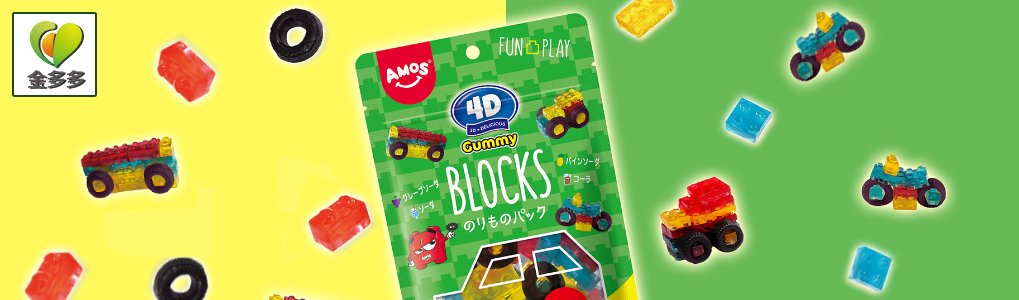
What if I told you that a little brick-shaped gummy candy, dreamed up in southern China, is now raking in over $180 million a year and sits on the shelves of Walmart, 7-11, and more than 50 countries? In an age when everyone else was slimming down sugar, one company doubled down on fun—and won big.
Let’s step into the world of Goldo (金多多), the candy brand that turned creative risk, relentless innovation, and a dash of Chinese grit into a global sweet tooth sensation.
From Rice to Riches: The Humble Origins of a Candy King
The Goldo story begins not in a factory, but in the fields—and with a man whose ambition outgrew every job he ever took.
Meet Ma Enduo (马恩多), once a star student in China, who, after university, passed up a stable government “iron rice bowl” for a shot at the wild world of business. He hustled across China selling Thai rice, racking up sales and learning the ropes of global trade the hard way—one province at a time. By the early 2000s, with China opening up to the world and factories booming in Guangdong, Ma saw a new opportunity: candy.
At first, Goldo was just one of thousands of small workshops churning out sweets for Africa and Southeast Asia. The money was decent, but Ma quickly realized—if anyone can do it, anyone will do it. He didn’t want to fight for crumbs in a race to the bottom.
The first big lesson: If you want to win globally, you can’t just be cheap. You have to be different.
Betting the Farm on Creativity: Breaking Out of the Commodity Trap
What sets Goldo apart? The turning point came when Ma took the company’s hard-earned profits and went all-in—building a high-tech factory and aiming straight at the world’s toughest market: the USA.
But getting into America isn’t just about making candy. It’s about meeting sky-high food safety standards, dazzling with innovation, and catching the eye of retail giants. Goldo started as an OEM, quietly making candy for American brands and studying their market inside out. Ma noticed something: Every Halloween and Easter, weird and wonderful candies would fly off the shelves. But most Chinese factories just couldn’t make them.
In 2007, Goldo’s “Amos” brand burst onto the scene with creative, fun-packed candies—like the now-famous “4D Building Block Gummies.” Imagine Legos you can eat! This wasn’t just a hit in the US. It caught the eye of Walmart, opening doors Goldo never dreamed possible.
Key Fact: By building its own factory and winning global food safety certifications (HACCP, BRC, ISO 22000), Goldo became the first Chinese candy brand to supply Walmart directly.
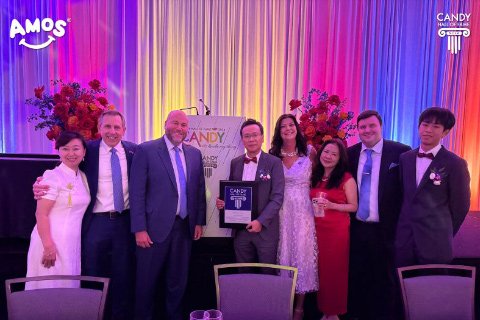
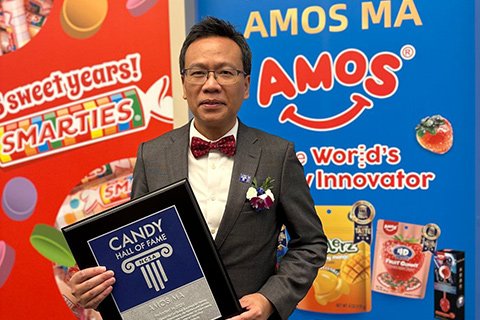
Global Leap: From Walmart to the World (and Japan’s Convenience Stores)
Once in Walmart, doors flew open. Goldo expanded rapidly, with its candies lining the shelves of not just Walmart USA, but also Canada, Australia, and eventually Japan—the world’s most demanding snack market. Getting into Japanese convenience stores like 7-11, FamilyMart, and Lawson is a feat few foreign brands ever achieve.
Today, Goldo ships to over 50 countries, with annual sales surpassing $1 billion RMB (over $140 million USD), and their building block gummies hold a 15% share of the global holiday candy market. In Japan, they’re the only Chinese candy found in all major chains, a status that’s earned Goldo a reputation as “the candy expert with a world passport”.
But Goldo didn’t stop at one-hit wonders. They kept innovating—launching new lines like:
- Amos: The original creative candy—think 4D gummies, music lollipops (yes, you can hear music when you eat them!), and more.
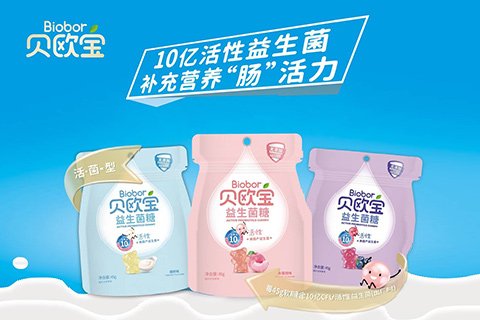
- Biobor: Probiotic and nutritional candies, targeting health-conscious parents.
- Blink: Chic, functional mints for the modern consumer.
Why Did Goldo Win? The Secrets Behind the Success
- Core Differentiation: Creativity and “Black Tech” – Instead of fighting over commodity orders, Goldo made fun its unique selling point. From 3D-printed gummy blocks to lollipops with bone conduction technology (put one in your mouth and you’ll hear music—seriously!), they turned candy into an experience.
- Localized Brand Building – Goldo didn’t just export products—they adapted to each market. In the U.S., they targeted holidays and novelty; in Japan, they cracked the convenience store code; across Europe and North America, they emphasized quality and safety.
- Digital and Social Media Mastery – In recent years, Goldo’s “Amos” brand has become a viral hit on TikTok and other social media, teaming up with influencers and running unboxing demos. As of July 2024, their TikTok Shop GMV hit $1.08 million—proof that even old-school candy can win in a digital world.
- Resilience and Adaptation – When COVID-19 disrupted exports, Goldo pivoted: They joined online trade fairs, entered livestreams, and doubled down on the domestic Chinese market. Result? Domestic sales soared 30% in 2020, and exports bounced back even stronger.

More Than Candy: A Mission for Joy and Social Good
For Ma Enduo, candy isn’t just sugar and profits. It’s about joy. “Creativity brings happiness, and happiness is eternal in business,” he says. Goldo runs charity drives, donates to rural schools, and supports underprivileged children in his hometown. The company’s mission is clear: Let the world fall in love with Chinese creative candy.
And the world is starting to listen. In 2023, Goldo ranked second among Chinese candy brands globally (just behind Want Want), and its exports accounted for a stunning 40% of China’s creative candy trade.
The Big Takeaway: Don’t Be the Cheapest—Be the Only
Goldo’s story is a masterclass for entrepreneurs and dreamers everywhere. When the world zigs, zag. When everyone is cutting costs, bet on creativity, quality, and brand. And above all, build something people remember.
So next time you spot a quirky building-block gummy on a store shelf, remember: behind that candy is a story of risk, grit, and the magic of doing things differently.
Want to see more creative business journeys from Asia? Leave a comment below or subscribe for the next story.