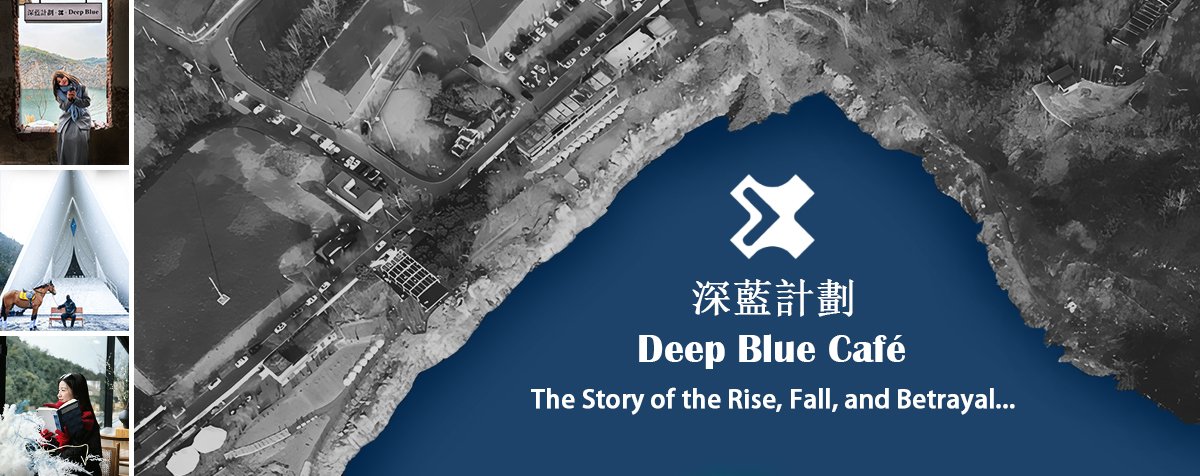
This is the story of how a struggling startup transformed an abandoned quarry into one of China’s most viral coffee shops. What started as a dream in an unlikely place became a $10 million success, against all odds. With a team and 3,500 villagers, they built a coffee empire from the ground up, facing immense challenges, from debt and betrayal to the highest highs. In 2022, Blue Project Café struggled, selling only 2 cups of coffee on its worst days, drowning in debt, facing threats, and running out of hope. By the end of the journey, the café would sell 8,818 cups in a single day. To understand how he pulled off the impossible, we first need to meet the man behind it all.

The Man Behind the Deep Blue Café
In Zhejiang Province, China, 31-year-old Cheng Shuoqin was an ordinary guy with an extraordinary itch. At 19, he became a teacher, seeking stability, but the job felt exhausting and unfulfilling. With no elite degree or wealthy background, he felt stuck.
As Covid slowed the world, people escaped to the countryside. A tent rental could fetch $200 a night, sparking an idea: a scenic spot for coffee, BBQ, and camping.
He craved a life in nature, book in hand, truly connected. Little did he know, this dream would lead him to an abandoned quarry and a wilder journey than he ever imagined.
Discovering the Diamond in the Dust
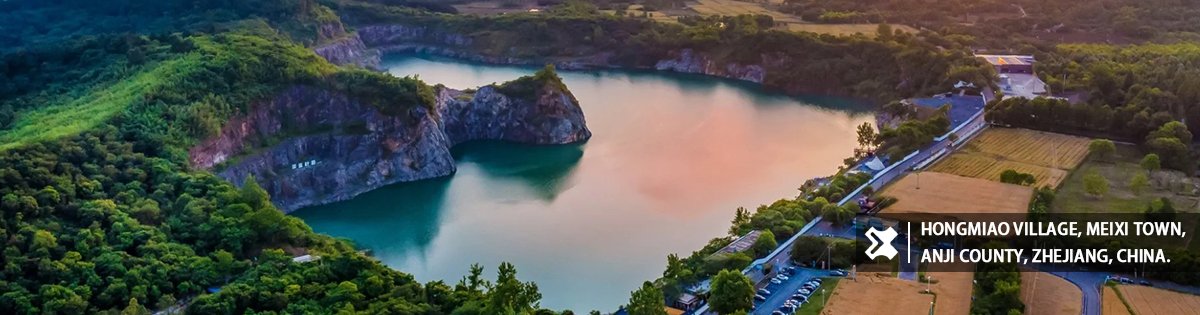
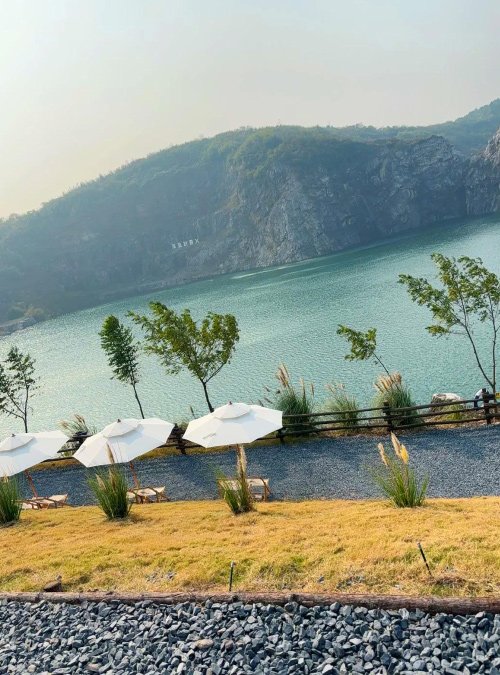
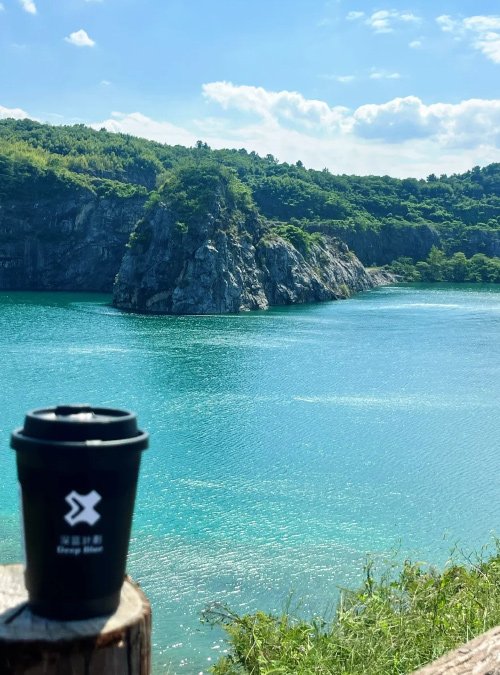
Cheng scoured the countryside, visiting 187 villages and trekking through fields and hills for the perfect spot. Then he found it: a 300-acre heart-shaped abandoned quarry in Hongmiao Village, Anji County. Once a limestone mine, it was shut down for environmental reasons. To most, it was nothing. To Cheng, it was everything.
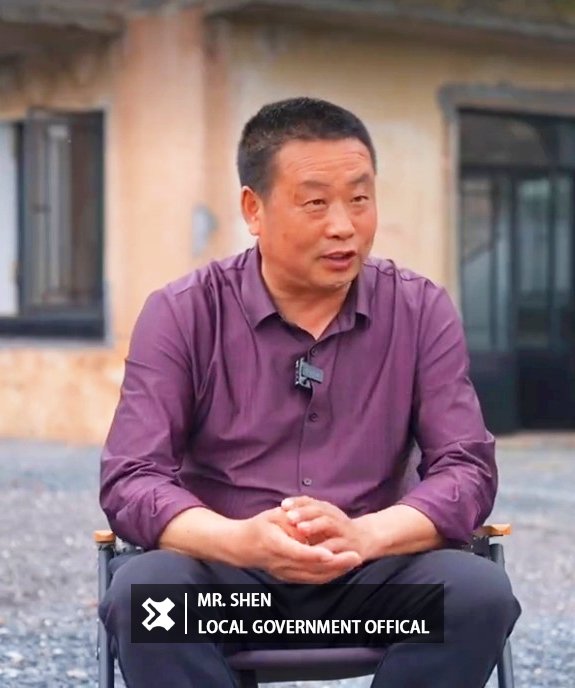
We could do it here,” he told his friends, eyes wide with excitement. “This is the place.” They thought he was nuts. “This? Here? It’s impossible. Who’d come to an old pit?” But Cheng couldn’t let it go. Cheng reached out to the local government. But soon, there was a problem. The private owner refused to sell unless paid in the tens of millions. Just like that, the dream was dead before it even began. After a long pause, a new voice spoke. Mr. Shen, a local official, proposed a bold idea, partnering with 3,500 villagers instead of buying the land. They once worked there, and the owner respected them, easing negotiations. After grueling talks, a deal was struck. Cheng introduced “Two Investments, Three Returns.”
Two Investments:
- 51% (Cheng and His 6 Partners)
- 49% (Villagers and Officials)
– 20% (Local Officials)
– 29% (Villagers – $40 Each)
Three Returns:
- Equity Dividends
- Rent Payments to Quarry Owner
- Job Opportunities For Villagers and Students
Cheng refinanced his house, sold his cars, and pooled together every last cent with his partners to raise $200,000. With an additional $200,000 raised from the villagers, construction began. For the first time, the dream seemed real.
Chaos at the Launch
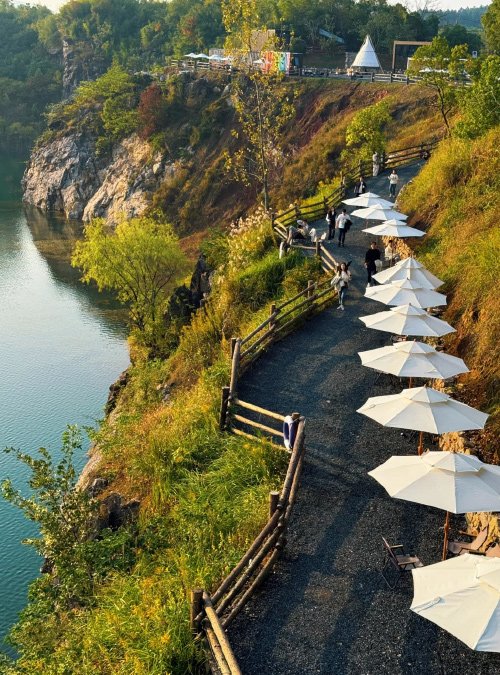
Cheng pivoted from camping to a café with snacks, drafting over 100 site layout designs and pitching about 20. On April 19, 2022, after an all-night meeting, they set a May 1st Labor Day launch, just two weeks away. It was all hands on deck. The main construction focus was the 300-square-meter scenic platform, handled by a construction company directed by Mr. Shen, while Cheng, friends, and villagers worked on other aspects. By April 28th, it was ready.
May 1st was madness. 6,000 visitors flooded in, clogging roads and draining supplies. Ice, milk, cups, everything vanished. Delivery trucks stalled, but villagers sprang into action, restocking and directing traffic. Grandmas sold snacks, and their husbands managed the chaos. It worked. Traffic eased and supplies were restocked. However, sales were still considered low compared to the number of visitors, as not everyone bought coffee.
A plan was immediately devised to charge entry. But since the land wasn’t an official tourist spot, “coffee vouchers” for $9.50 were sold instead. The legal workaround worked brilliantly.
The Fall and Betrayal
After the café took off in May, negative reviews and complaints began to pour in. Visitors drove for hours, only to face parking issues, long lines, and a simple cup of coffee with a short scenic walk. Frustration was inevitable.
By June, as the criticism mounted, sales took a deep dive, the daily earnings had dropped to just a few hundred dollars.
After witnessing the rise and fall, all 6 partners decided to pull out. Some blamed Cheng, claiming he shifted focus from camping to running a café. Cheng, who takes responsibility seriously, had promised to shoulder all risks. As partners withdrew, he began paying each investor, even adding interest to buy more time. Some partners even warned to sue him if he didn’t keep up with the payments.
Meanwhile, the villagers saw no returns, no profits, just an incomplete structure in a dusty quarry. Frustration grew. Whispers of doubt turned into demands, “Where is our money? Where is the business?
Then the threats began. Furious villagers called in the middle of the night, warning, “We’ll break your legs if you come.” Pressured by both villagers and debt collectors, Cheng couldn’t go home and had to sleep in his car to avoid confrontations. He tried reassuring the villagers and debt collectors, but his words meant nothing without results. There was no money left, no way to fix the situation.

Struggles and Setbacks
Within 3 months, the entire $400,000 investment had evaporated. One day in July, only two cups of coffee were sold the entire day. It was hard to swallow after all the effort, but that was their reality. The villagers continued to pressure Cheng to quit and liquidate everything.
However, Mr. Shen, the local official, stood up for him. He challenged the crowd, “When we were his age, what were we doing? We married young, lived with our parents, and worked 9-5 jobs. Look at these youngsters, they’re being creative, working tirelessly to build a startup. It takes patience, hard work, and a cycle of failure, retry, and redo. It’s about not giving up easily. Why not give him some time?”
During those tough moments, Mr. Shen often invited Cheng over for drinks. In his home, they talked freely about dreams, the future, and life but never about work. Whenever that topic arose, they both fell silent.
Cheng didn’t know how to face his loved ones, especially his parents. It felt like the dream was dead. But one night, it hit him, he’d been approaching it all wrong. People wouldn’t travel to a remote quarry just for coffee; they’d come for the views, adventure, and social media moments. His café wasn’t merely a place to drink coffee, it was an experience. Relying solely on the scenic platform wasn’t enough. This was about something far bigger.

A Bold Gamble
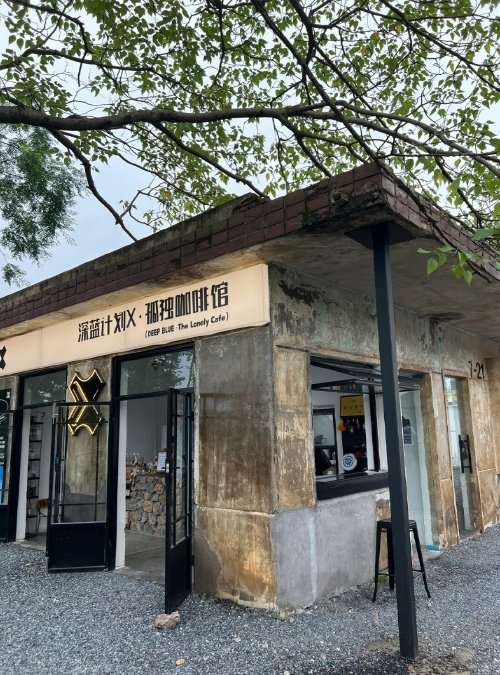
This realization sparked the idea to develop more. He eyed the old, half-buried 1970s houses on-site, thinking they could be useful. With no money left, they got creative, using available materials for scenic photo spots. But even with effort, there was only so much they could do without funding.
The next move he made would either save everything, or completely destroy what little he had left.
Cheng tried securing a loan, but the bank questioned a $30 cash advance. Cheng explained it was just for a meal. That’s when his parents stepped in. His dad, an archaeologist, and his mom, an opera singer, both traditional workers, believed in his dream despite warnings from friends and relatives about the risk.
At first, Cheng hesitated. He didn’t want his aging parents to bear the burden, but he soon realized it wasn’t just about his family, it was about the future of 3,500 villagers and Mr. Shen’s trust in him. They took a big gamble, applying for a loan and putting everything on the line to support him.
They secured $100,000, but after interest and fees, only $75,000 remained. Work began immediately, with every dollar going into renovations. They did most of the work themselves, stairs, walls, bricks, and cement hand-laid. A $75,000 budget achieved $150,000 worth of reconstruction.
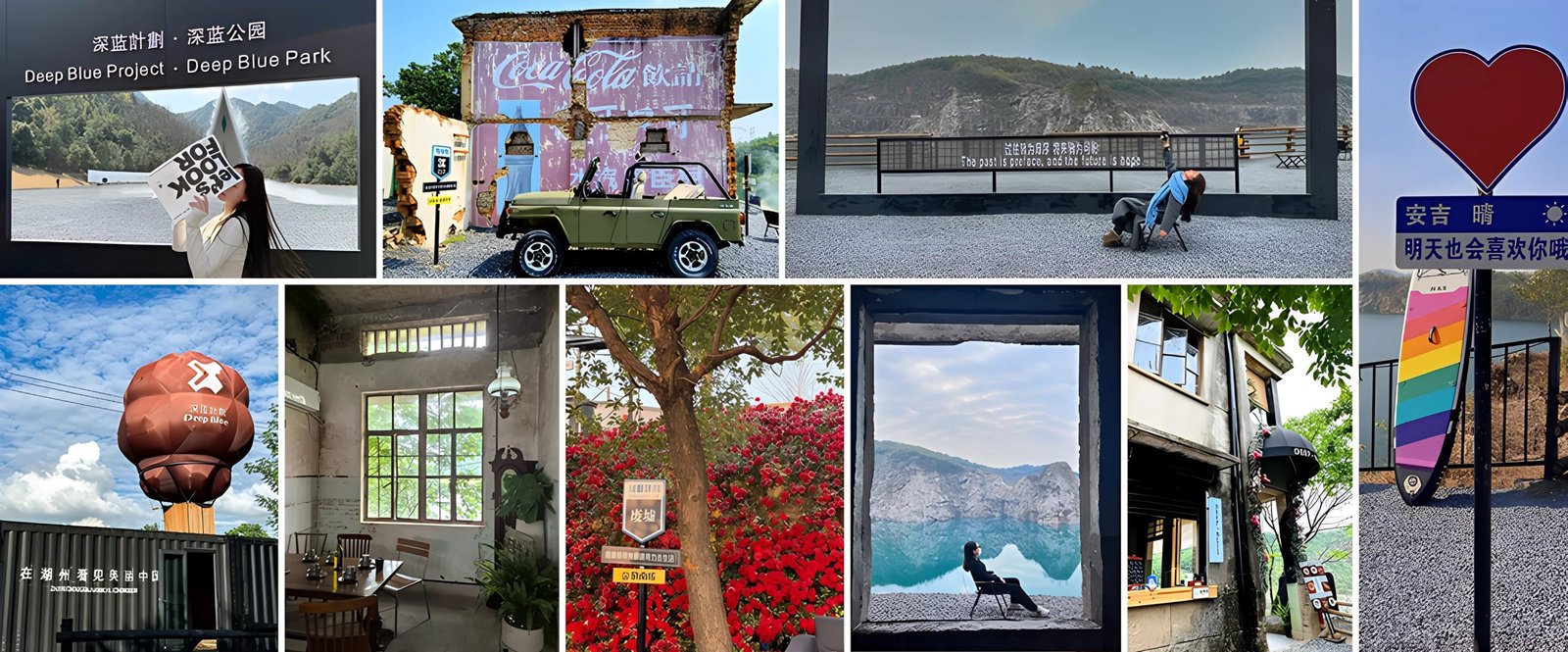
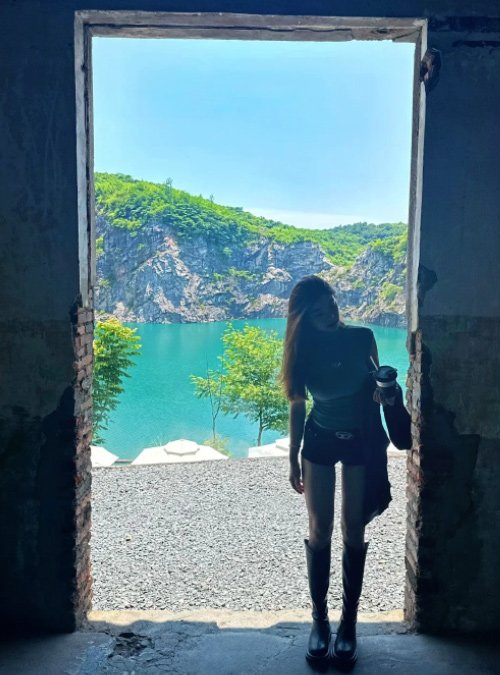
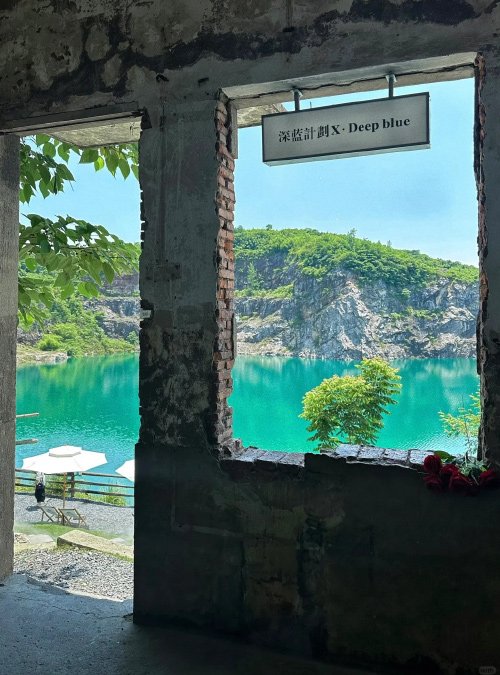
They created a window view by removing the door frame and adding a few bricks, it was cheap! That window became the most popular spot. But there was a huge concrete block, and moving it would cost $3,000. Instead, they wondered, what if flowers grew from the ruins? After testing 80 types, they found the best one for photos.

A Moment to Exit
By September, revenue picked up as they balanced business with renovations. It was all about planning, roses were set up one day, customers welcomed the next, and within two days, photos flooded social media. As visitor numbers climbed, one of the visitors, a wealthy investor from Shanghai, approached Cheng with an offer to buy the café.
After months of struggle, selling felt like the only option left. The remaining team agreed, it was time to take the deal and walk away. Surprisingly, after settling all costs and debts, there was still a profit of around $100,000.
In September, the flight to Shanghai was set to close the deal. Everything was ready, the papers signed, the agreement done. But the company seal was missing. After months of stress, Cheng had forgotten it in the rush.
Luckily, the couple laughed it off and said, “Take it back, stamp it, and bring it when you’re done.” When Cheng was ready to return, it was just such a coincidence. He got COVID. When Cheng was feeling better and ready to go, he called his team. A member said, ‘Why don’t you come check it out? From October 8th, daily revenue skyrocketed, hitting hundreds of thousands every day. Social media buzzed, and visitors flooded in. Cheng made a bold choice, he wasn’t going to sell. Something massive was happening.
He immediately called the couple from Shanghai, saying, ‘Business is picking up. Can we hold off on selling for now?’ The couple was really kind and said “If business is picking up, that’s a good thing! Of course, please don’t sell! We are happy for you.” And kindly said “Keep it up!”
The Turning Point and Triumph
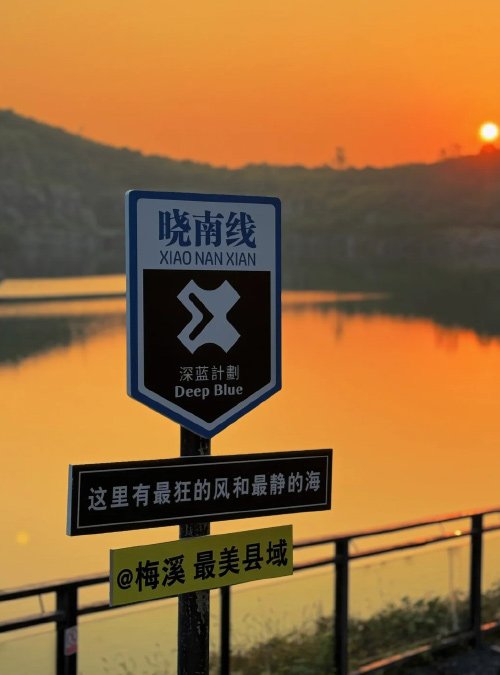
Since October 2022, the Deep Blue project has had lines stretching for hours, selling thousands of cups daily. This surge in daily sales marked the moment it truly took off. In Anji, everyone said it was impossible for a café to have daily revenue in the hundreds of thousands. Coffee professionals from across the country flocked to see how Deep Blue achieved such high volumes.
By March and April 2023, we were really ‘on fire,’ with everyone coming to see for themselves. Various media outlets competed to cover it, and CCTV even came to interview.
By Labor Day, May 1st, 2023, it happened, the single-day record of 5,120 cups of coffee sold. On October 1st, 2023, they sold over 7,000 cups. And by Memorial Day, April 4th, 2024, they hit an all-time high of 8,818 cups in a single day.
Remember the old, half-buried houses from the 1970s? Now, people wait in line for photos, with waits up to 3 hours during holidays. Deep Blue Café transformed from a failing project to a viral sensation, no ads, just organic growth.
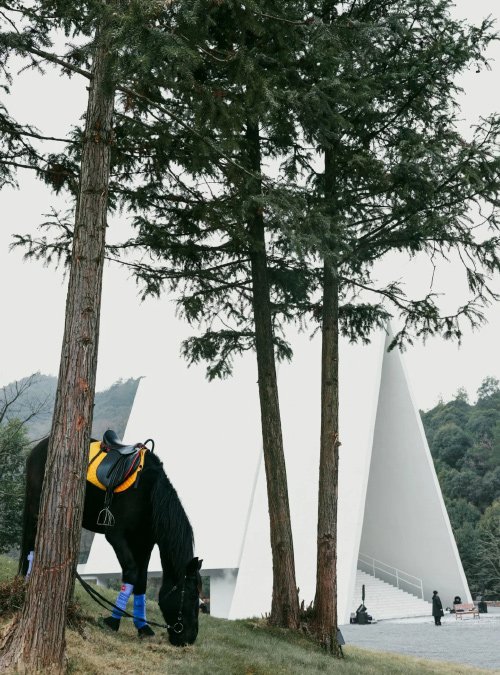
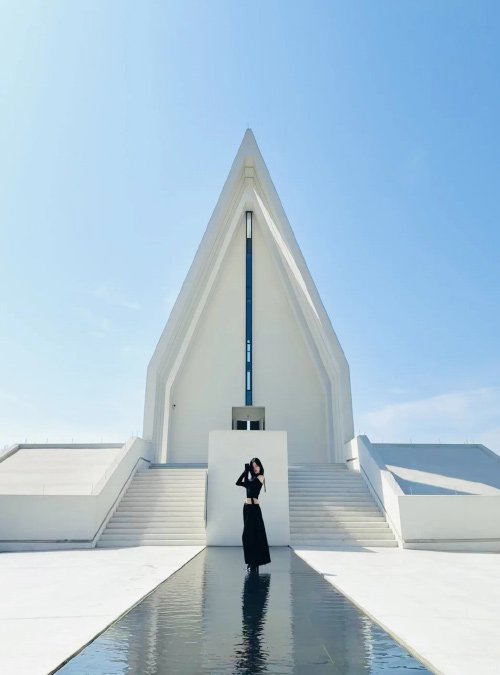
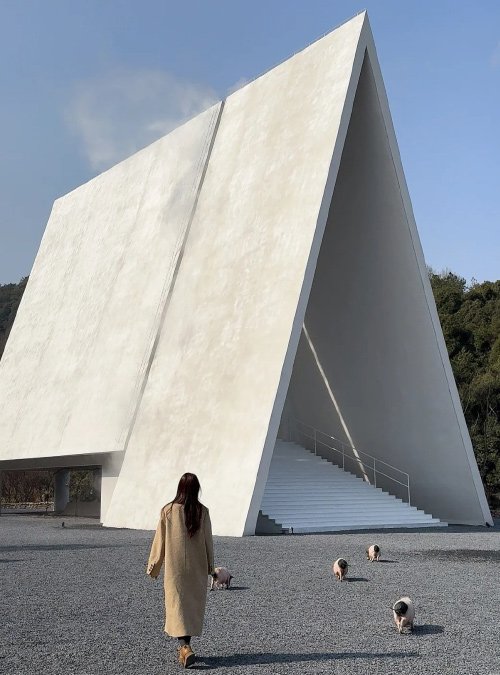
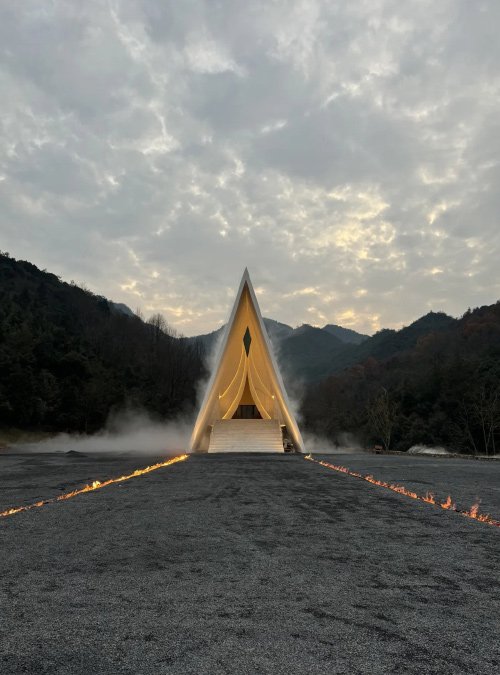
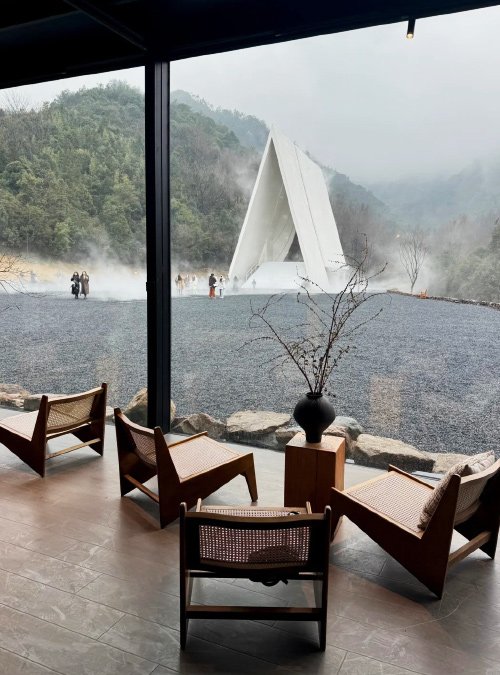
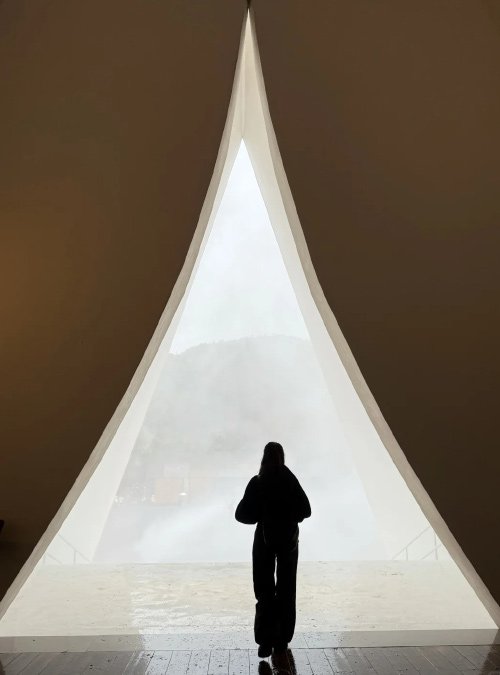
Later in 2024, they expanded even further, building a white, triangle-shaped wedding chapel on-site. The chapel, modern yet minimalist, blended into the scenic landscape, quickly becoming a sought-after destination for couples looking for a unique place to tie the knot.
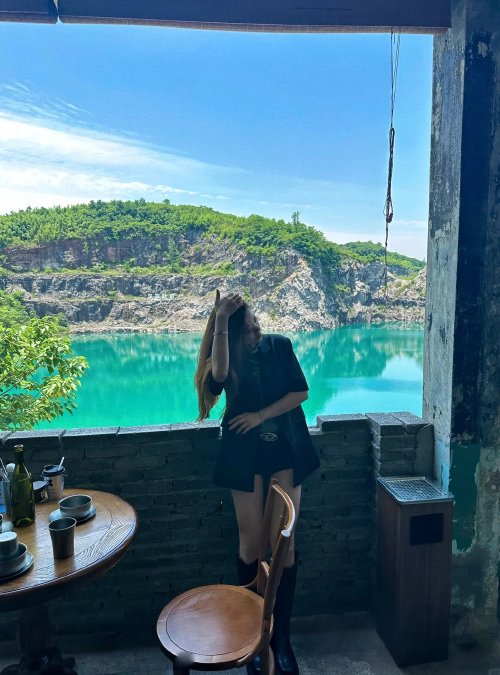
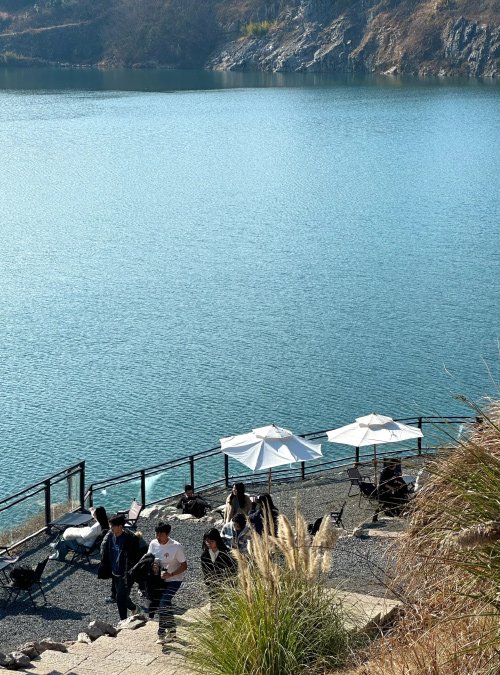
One thing was clear, everyone who visited took photos and shared them on social media. People came not just for coffee but for the views. Soon, it became a massive outdoor photo studio. There was no historical significance, but visitors came to take pictures, post them, and get likes, fulfilling their emotional value.
Before the café opened, the village mainly sold saplings, with an annual income of around $40,000 from their tree seed business. But after the café arrived, in just two years, the villagers shared over a million dollars.
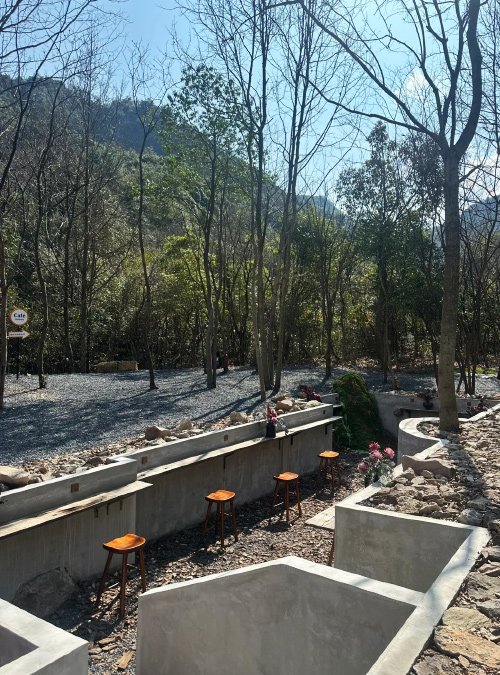
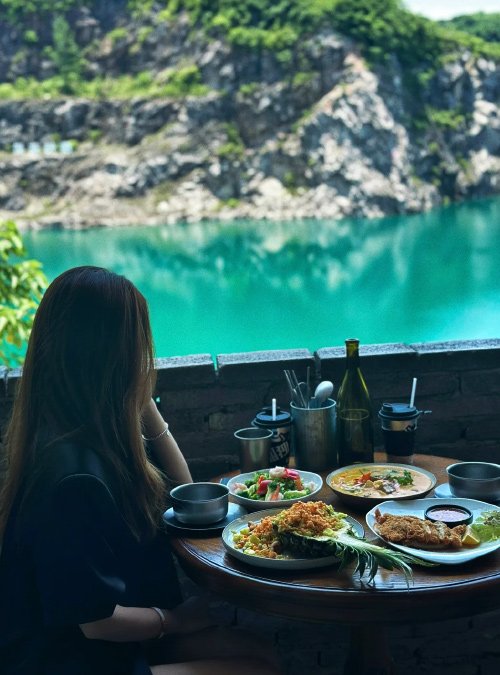
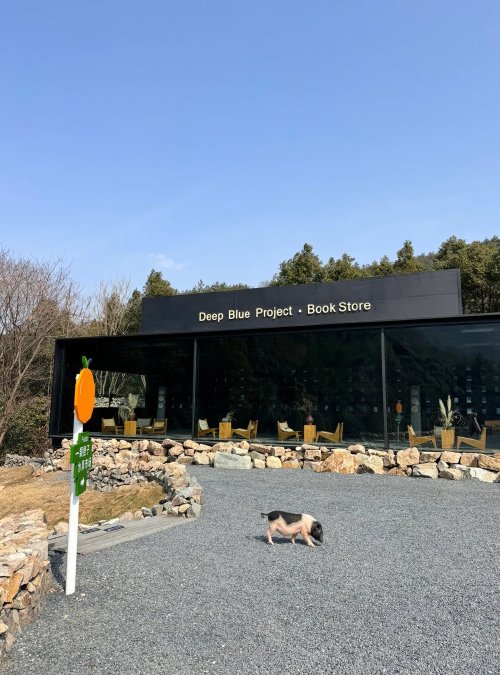
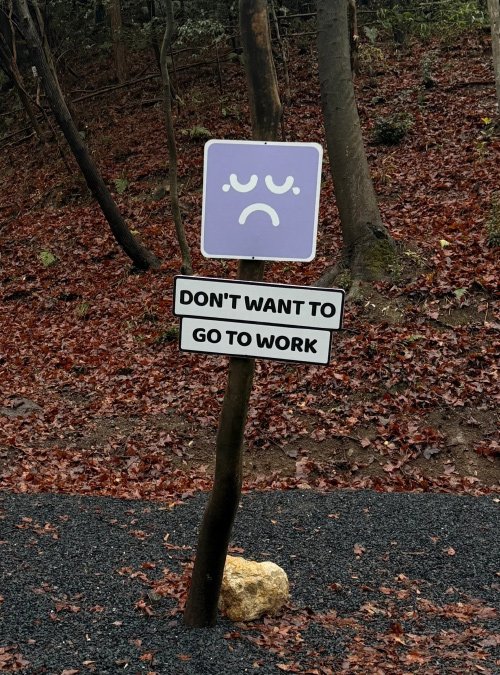
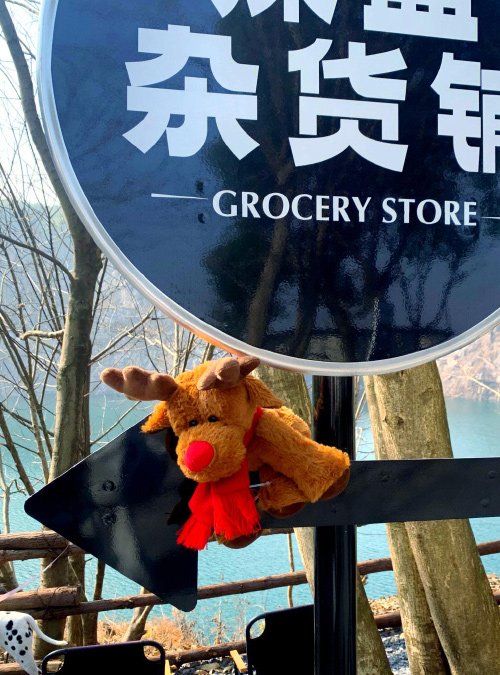
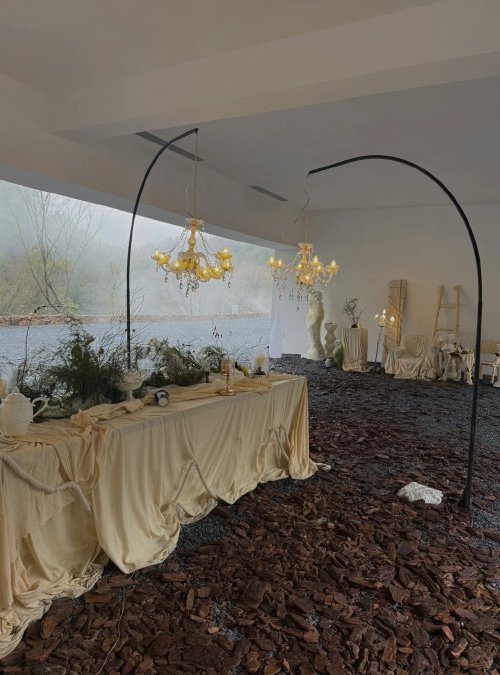
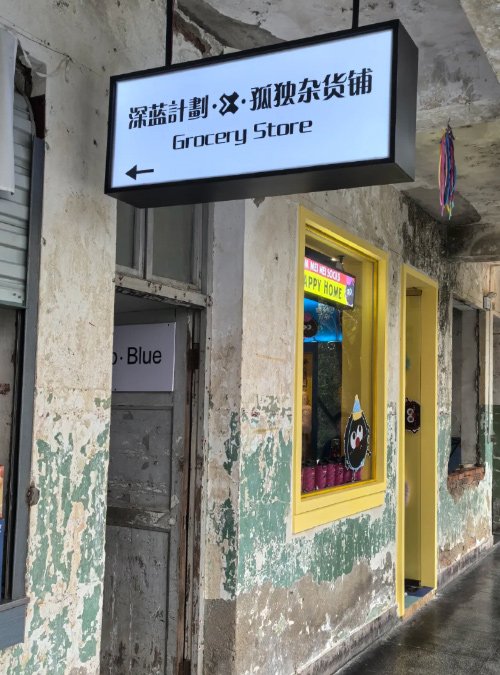
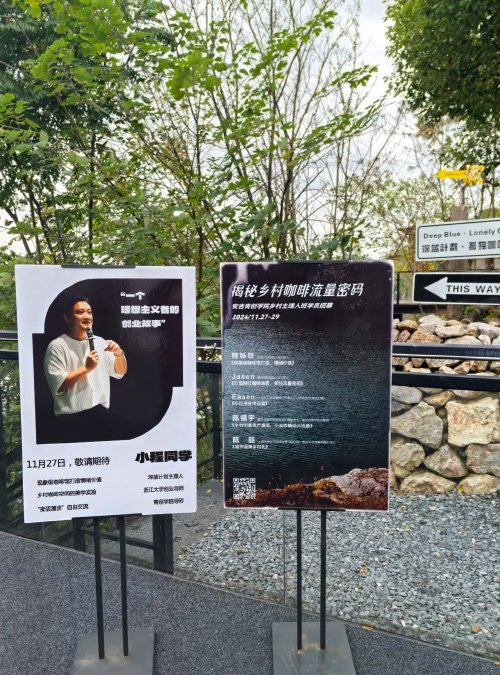
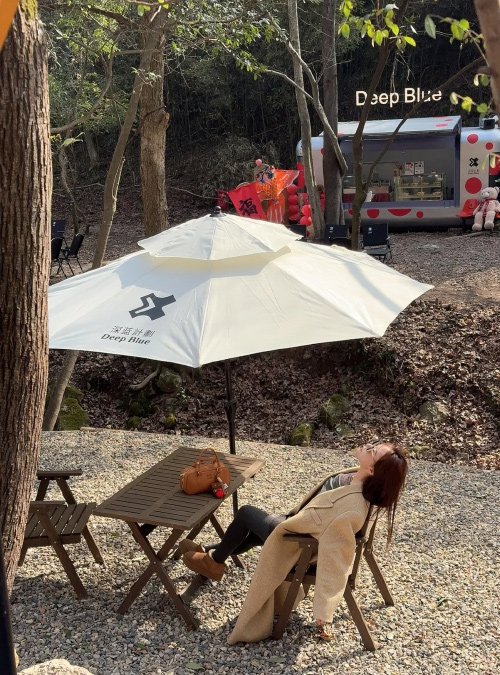
Deep Blue Café Gallery




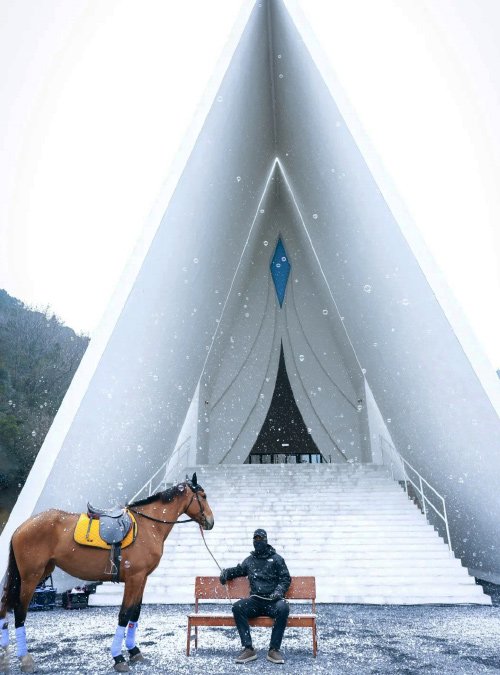





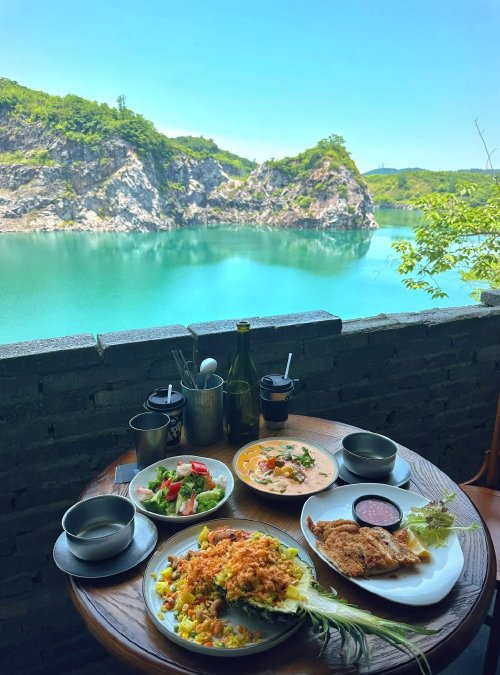






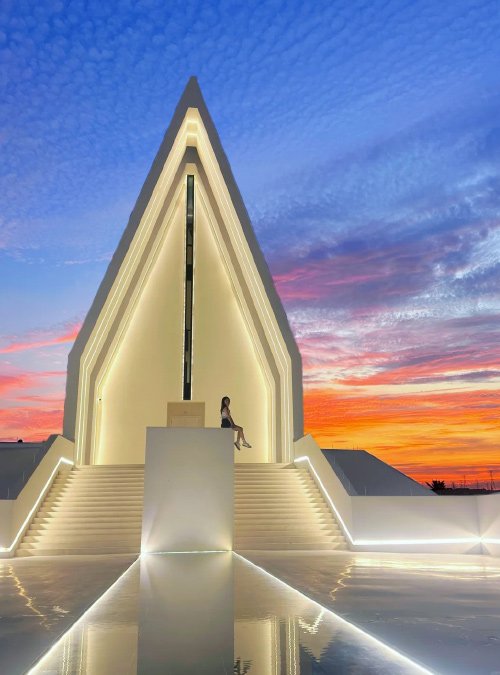

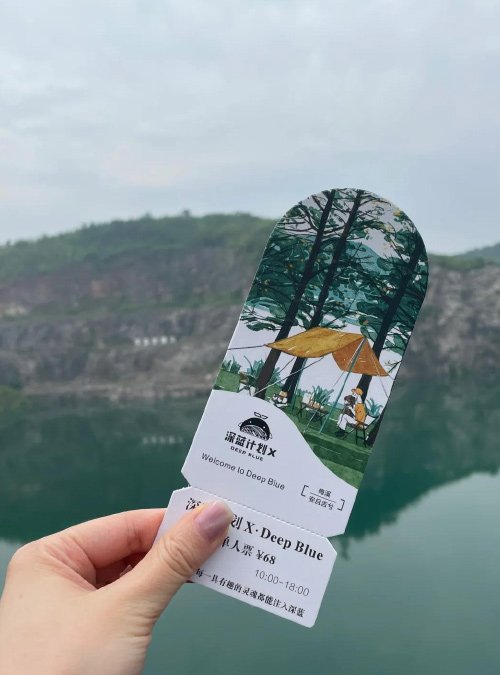
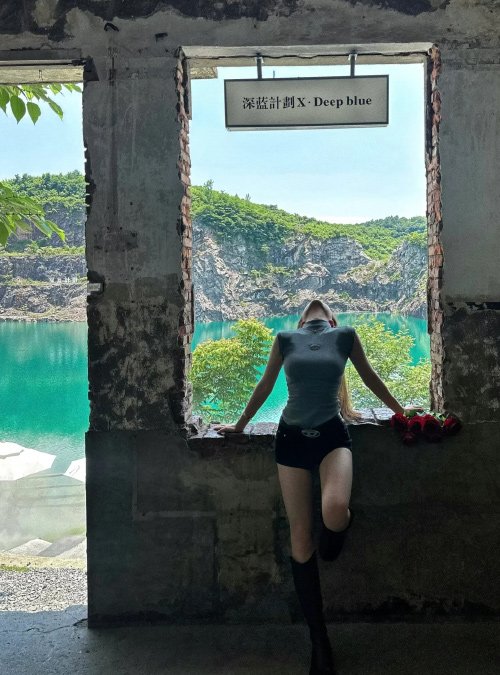


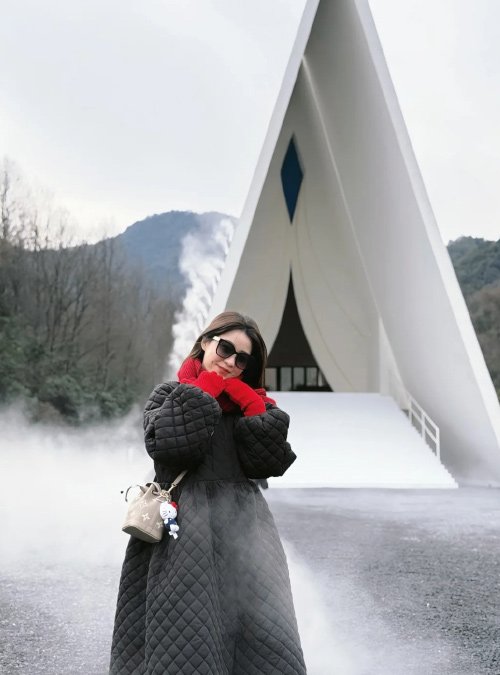


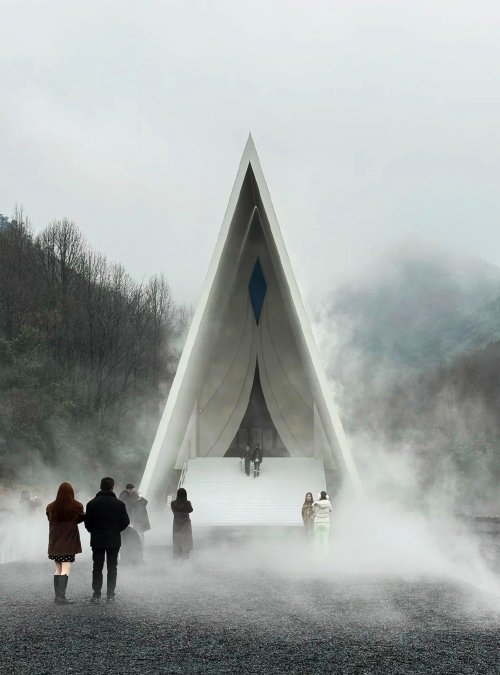



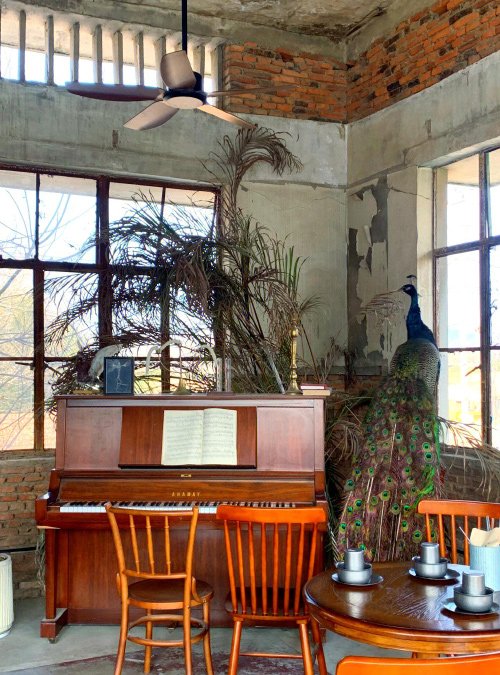

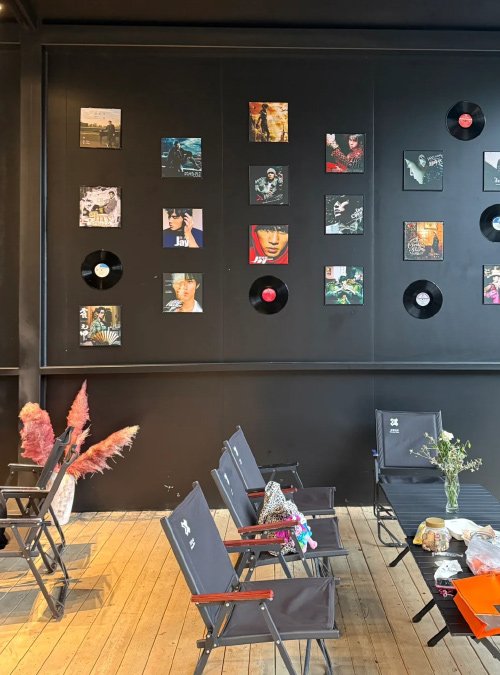

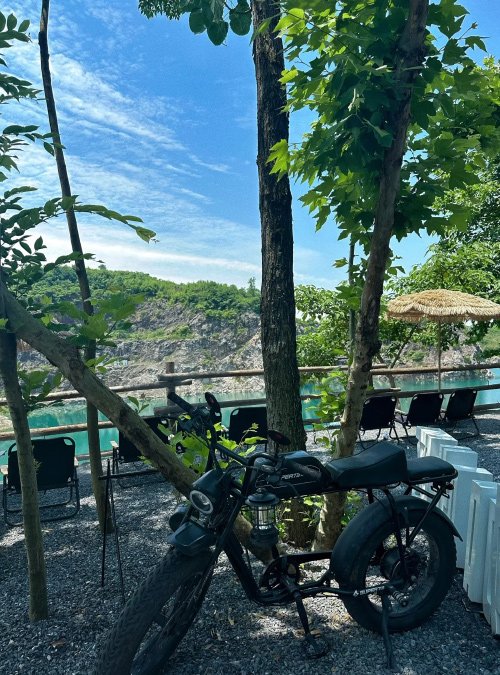






Insights from the Journey
Cheng was glad the ‘darkest moment’ came early, it was the wake-up call he needed. Suddenly, everything clicked. From that point on, every step counted. It was about building something meaningful and lasting.
The café, once buried in debt, had now earned nearly 10 million in revenue. With 57 coffee machines, over 80 baristas, and 130 student workers, the operation had grown significantly.
The villagers’ living standards had improved dramatically. By February 2025, the Deep Blue project had welcomed over one million visitors from all over the country.
Looking back, Cheng said, “If I had sold it, I would have missed the biggest opportunity of my life. Success isn’t about having the perfect plan, it’s about adapting.” Failure isn’t the end; it’s the turning point. The biggest opportunities often come when you’re ready to give up. Success comes to those who keep going, not those who start perfect.